Researching differences, challenging assumptions and creating change through research
My research explores what happens when education is designed around narrow assumptions about how people think, learn and communicate.
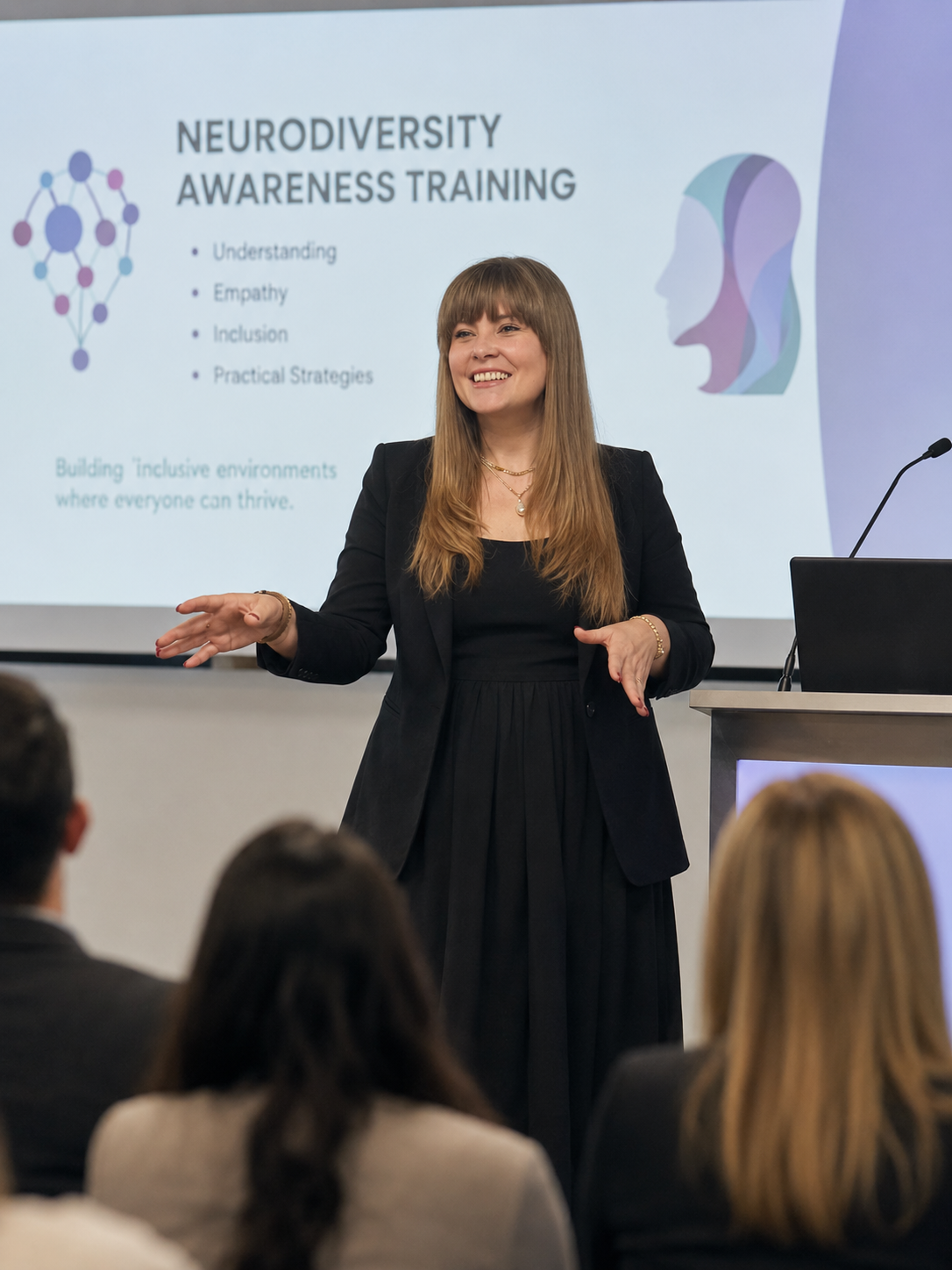
In my work on aphantasia, neurodiversity, and literacy, I examine experiences often overlooked by established educational systems. My aim is not only to identify barriers, but to understand the strategies people develop, challenge deficit-based interpretations and translate research into more inclusive practice.
Neurodiversity
✳︎
Aphantasia
✳︎
Social Justice
✳︎
Meaningful Literacy
✳︎
Education
Neurodiversity ✳︎ Aphantasia ✳︎ Social Justice ✳︎ Meaningful Literacy ✳︎ Education

Co-authored with Dr. Angela Sibley-White, this forthcoming book chapter presents the findings from our original study. It examines visually dependent educational practices, the alternative processing strategies used by aphantasic learners and the case for understanding aphantasia through a neurodiversity-informed rather than deficit-based perspective.
Coming Soon! A second academic paper is also currently in development. Reframing Aphantasia as Neurodiversity: Academic Identity, Misrecognition and Emerging Self-Efficacy. It examines the impact of learning about aphantasia on students' academic identity and self-efficacy.

Coming Soon! Aphantasia in Education: Recognising Cognitive Difference and Supporting Alternative Ways of Learning
Dr Angie Sibley White and I are currently developing a proposed UNESCO MESH Guide to translate this emerging research into clear and practical guidance for educators in over 200 countries. The guide will help teaching professionals understand aphantasia, recognise potentially exclusionary assumptions and offer alternatives to activities that depend on mental visualisation. It will include practical teaching approaches, examples of alternative processing strategies and guidance for supporting learners without assuming that one approach will suit everyone. As part of its development, the guide will be reviewed with teaching professionals from secondary, further and higher education.
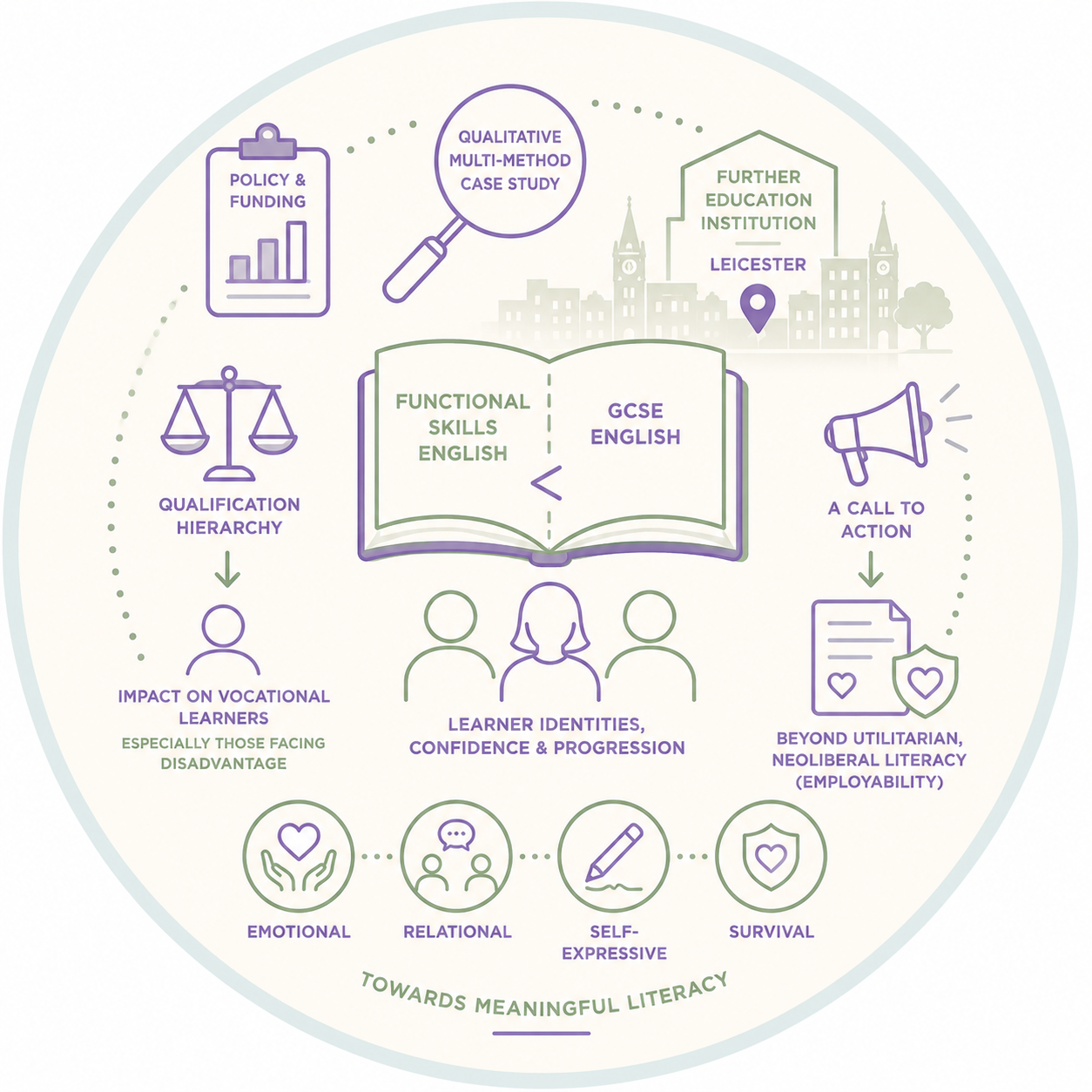
My doctoral research examines the relationship between policy and practice in Functional Skills English within further education.
Drawing on a qualitative, multi-method exploratory case study within a further education institution in Leicester, the study explores how literacy qualifications, funding policies and institutional practices shape learners’ educational opportunities, identities, confidence and progression. The research challenges the idea that literacy can be understood only as a collection of technical skills. It examines how Functional Skills English has been positioned in relation to GCSE English and how this qualification hierarchy can affect vocational learners, particularly those already experiencing educational or socioeconomic disadvantage. The research is also a call to action for literacy policy to move away from utilitarian, neoliberal conceptions of literacy centred on employability and towards a model of meaningful literacy that serves emotional, relational, self-expressive and survival purposes.